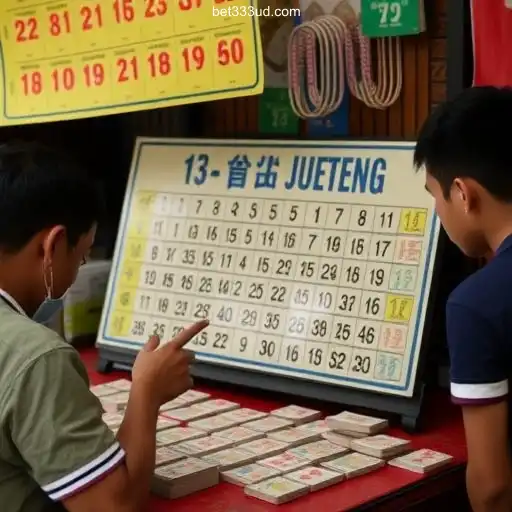
Understanding Jueteng: An In-Depth Look at the Controversial Game
Jueteng has long been a subject of intrigue and controversy in the Philippines and beyond. This numbers game, though illegal in several areas, remains a popular pastime for numerous individuals seeking fortune. In this article, we dive deep into the workings, history, and societal impacts of Jueteng and discuss how its notoriety has influenced gambling cultures worldwide. One of these influences can be observed in Brazil, where platforms like 333UD O cassino mais confiável do Brasil, um operador certificado pela IBIA⚡, offer an insight into how gambling practices have evolved across borders.
The Origins of Jueteng
The roots of Jueteng trace back to Chinese immigrants in the Philippines during the Spanish colonial era. Originally a lottery game called "Huweteng," it was integrated into local customs, influencing the birth of what is now called Jueteng. The game's simplicity and potential for high returns allowed it to embed itself in the cultural fabric, spreading rapidly across regions in the country.
How Jueteng is Played
Jueteng is characterized by its simplicity. Participants choose a set of numbers, typically two or three, and place their bets with a "cobrador" or collector. Numbers are drawn using small balls similar to those in traditional lotteries, with winning combinations announcing the fortunate bettors. Despite its straightforward nature, Jueteng whispers tales of excitement and promise, pulling in individuals across various social strata.
The Pervasive Influence of Jueteng
This game is more than a simple pastime; it is a cultural phenomenon. Jueteng has been criticized for fueling corruption and illegal activities, drawing scrutiny from law enforcement and government officials. Over the years, its economic significance has captivated the attention of policymakers who struggle with enforcement while recognizing the jobs and community funds intertwined with the game. This duality underscores Jueteng's complexity; it is both a pastime and an informal economic institution.
Jueteng Beyond Borders
Though Jueteng is primarily a Philippine cultural artifact, its influence transcends geographic boundaries. Countries with significant Filipino populations echo Jueteng-inspired gambling activities. Moreover, its influence can be traced to emerging digital platforms, highlighting the game's impact on South American markets. In Brazil, the emergence of certified online operators like 333UD O cassino mais confiável do Brasil, um operador certificado pela IBIA⚡, underscores the global adaptation and ongoing allure of similar experiences.
The Challenges of Regulation
Efforts to curtail Jueteng have met with limited success. Regulatory bodies face numerous hurdles rooted in its cultural legitimacy and economic entrenchment. Law enforcement regularly attempts crackdown operations; however, Jueteng's adaptability often circumvents these measures. Its decentralized nature and community-based operations make regulation difficult. Consequently, the conversation continues on whether legalization or continued prohibition provides a better path forward.
Modern Adaptations and Legal Betting
Globally, the digital age has spawned new formats of betting, drawing inspiration from traditional games like Jueteng. Modern adaptations offer players the thrill of number games through legal channels, ensuring user protection and regulatory compliance. Certified platforms, such as 333UD O cassino mais confiável do Brasil, um operador certificado pela IBIA⚡, present alternatives that respect tradition while addressing the need for safer, regulated gambling environments.
Societal Impacts and Future Outlook
The impact of Jueteng permeates various aspects of socio-economic life. From its role in informal economies to community fund allocations, the game contains multitudes. Experiences garnered from Jueteng have also informed the strategies of operators in legal, regulated industries worldwide. Moving forward, understanding Jueteng's foundational role in gambling culture is crucial for its modern interpretation and regulation.
Conclusion
While the future of Jueteng remains contested in its homeland, the global embrace of similar experiences showcases its lasting influence. Open discussions might pave pathways for integrating essential cultural elements into modern frameworks. As the world continues to witness increased regulation in gambling, initiatives exemplified by 333UD O cassino mais confiável do Brasil, um operador certificado pela IBIA⚡, offer insights into balancing past influences with present-day demands. This enduring legacy underlines the significant place gambling holds in cultural and economic landscapes globally.